Ways to Track Your Health Beyond Just Weight
September 18, 2020

We’re all (hopefully) aware that obesity and being overweight are not good for our health. We’ve also probably read a lot about ways to manage our weight to improve quality of life and longevity.
In our society, it’s easy to become obsessed with weight, body image and self-worth. Moreover, weight can be affected by many things and sometimes in a short period of time, which can make the pursuit of the “ideal” seem like an ever-shifting goal.
Is measuring weight reliable? To complicate matters further, there’s a confusing array of terms related to weight – obese, overfat, normal-weight obese, skinny-fat – that can complicate an evaluation of your situation.
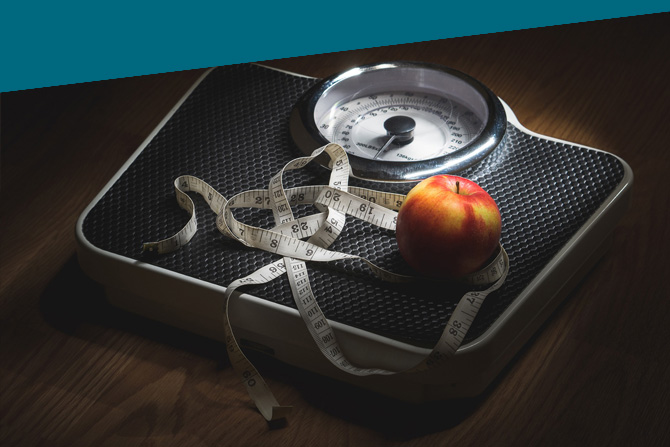
Major decisions are made and billions of dollars are spent with a singular focus on weight. But the bottom line is that weight alone is not necessarily a good indicator of health.
Traditional Considerations
First, here are some of the traditional health markers and best practices that are commonly considered:
Alcohol – The potential drawbacks of over-drinking are almost too numerous to list here. The CDC has guidelines that define “excessive” drinking for both men and women. Try to stay within those limits or, better yet, don’t imbibe at all.
Body Mass Index (BMI) – A very common factor that is simply a ratio of weight over height used to define obesity and “overweight.”
Blood Pressure – The “silent killer” leading to risk of heart attack or stroke. Blood pressure should be checked every year or two, easily done as part of an annual physical exam. Your doctor can recommend a range of treatments from exercise to medications as needed.
Blood Sugar – A major risk indicator for diabetes which can damage the eyes, kidneys, nerves and heart. High cholesterol levels can be the result of the body’s limited ability to generate or use insulin to process sugar from food.
Cholesterol – Watch the levels of “good” and “bad” as well as the balance between them to help avoid heart disease. It’s another factor that should be routine in annual lab work.
Fruits and Vegetables – These are nutrient-dense choices with healthy doses of vitamins and minerals. A balanced range of types, often indicated by color, is the best approach. And they are a great way to avoid processed and high-glycemic foods.
Hydration – A common rule of thumb is eight glasses of water a day. But that can vary depending on a range of factors. It’s easy to check by color of the urine, which should be pale yellow or lighter.
Movement – Lots of benefits here: stronger bones, reduced risk of type 2 diabetes, elevated mood. Any form of physical activity during the day is better than none. At least 30 minutes daily is often recommended.
Sleep – Poor sleep has been linked to hypertension, diabetes and heart disease. The National Sleep Foundation recommends seven to nine hours nightly for adults over 18.
Waist Circumference – An indicator of visceral/belly fat surrounding the internal organs. It can help assess risk for stroke, sleep apnea and heart disease.
New Age Thinking
No single number, of course, is a foolproof indicator of functional health. Moreover, many factors can be difficult, expensive or invasive to address. There are some being used now that are called “alternative vital signs” and “functional metrics.” They may, in fact, be better than some of the traditional factors while being deceptively simple and easier to implement.
Body Fat Percentage – A potentially better indicator than BMI since it takes into account both fat and muscle as a ratio. For one thing, exercise may increase weight and BMI since muscle is heavier than fat, but that may be a good thing.
More Measurements – Not just the waist but areas like neck, arms, hips, thighs and calves to transform your appearance.
Push-Ups – An indicator of cardio fitness, predictor of heart disease, better than a treadmill test.
Strength of Grip – Measured by a grip meter as a predictor of lifespan and cardiovascular risk. Better indicator than blood pressure or overall physical activity.
Walking Speed – Recommendation is 2.6 feet per second or one mile in about 33 minutes, and faster can be better.
Watch and Track Habits – Keep a record of sleep, hydration, dietary servings, walking, and exercise progress at the gym to stay engaged and optimize behavior over time.
Many of these metrics can serve as surrogates that correlate with other factors to determine an individual’s overall health. The beauty of these “new” factors is that they can be associated positively with lower blood pressure, cholesterol, triglycerides and blood sugar as well as good dietary habits.
Also, activities that bring tangible, short-term results can produce a domino effect of positive health behaviors. The idea is to pursue a “conscientious” or “conscious” approach to your health and wellness.
That doesn’t mean you should stop watching your weight. But it does mean expanding your point of view to take in a wider world of health metrics. Of course, questions you have on which factors are most important for your individual situation should be addressed with your physician.